

Online foundations are the essential digital systems and platforms that enable sales professionals to conduct business, manage customer relationships, and generate revenue through digital channels. Think of them as the technology infrastructure that connects your sales process to the modern buyer: your CRM, email automation tools, e-commerce platform, payment processing, and data analytics systems working together.
For sales professionals in 2026, understanding these foundations isn’t optional. Your prospects research online before ever speaking to you. They expect seamless digital experiences, from first contact through purchase and beyond. The foundation you build determines whether you can meet those expectations or lose deals to competitors with stronger digital capabilities.
This matters because the gap between sales teams with solid online foundations and those without continues to widen. Teams equipped with integrated systems close deals faster, maintain better customer relationships, and scale their efforts without proportionally scaling their workload. Meanwhile, professionals still relying on spreadsheets and disconnected tools find themselves outpaced.
The good news? Building strong online foundations doesn’t require a computer science degree. It requires understanding which components matter for your specific sales context, how they work together, and what practical steps get you from where you are to where you need to be.
This article breaks down the core components of online foundations, explains how they function as a system rather than isolated tools, and shows you practical applications that translate directly to closed deals and satisfied customers. Whether you’re managing a sales team, building your own practice, or advising clients on digital transformation, you’ll walk away with a clear framework for evaluating and strengthening your digital infrastructure.
What Online Foundations Mean for Sales Professionals
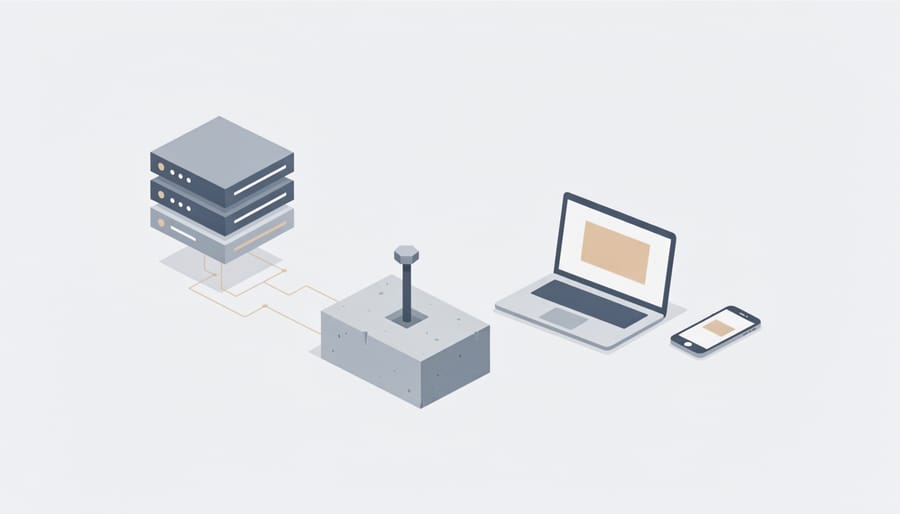
Online foundations are the digital infrastructure that enables you to engage prospects, manage relationships, and close deals through online channels. Think of them as the professional equivalent of your physical office, filing systems, and communication tools, except they operate 24/7, reach global audiences, and scale with your business growth.
For sales professionals accustomed to face-to-face meetings and phone calls, these foundations represent a fundamental shift. You are not replacing traditional relationship-building skills but extending them into environments where customers now spend most of their research and purchasing time. A well-constructed digital presence drives sales success by meeting prospects where they are, providing the information they need exactly when they need it.
Understanding these systems is no longer optional for career advancement. Sales directors expect their teams to navigate CRM platforms, interpret analytics dashboards, and optimize conversion paths. Consultants who master these tools differentiate themselves from competitors still relying solely on networking events and cold calls. The marketplace in 2026 rewards professionals who combine interpersonal expertise with technical fluency.
- Digital Storefront
- The customer-facing website or platform where prospects explore offerings, evaluate credibility, and initiate transactions, your online equivalent of a physical showroom.
- Payment Gateway
- Secure systems that process credit cards, digital wallets, and other payment methods while protecting sensitive customer financial information during checkout.
- CRM Integration
- Database systems that track every customer interaction, purchase history, and communication preference to enable personalized follow-up and relationship management at scale.
- Content Management
- Tools that allow you to publish, update, and organize educational resources, product information, and engagement materials without requiring coding knowledge.
- Analytics Infrastructure
- Measurement systems that reveal which marketing efforts attract qualified leads, where prospects drop off in the buying process, and what messaging resonates most effectively.
These components work together to create experiences that build trust before you ever speak with a prospect. Website speed improves conversion rates because it signals professionalism and respect for customer time. Secure payment processing demonstrates operational maturity. Responsive email sequences show you value ongoing relationships, not just quick transactions.
The professionals who thrive in digital selling view these foundations as enablers rather than obstacles. They recognize that technical systems handle routine tasks, order processing, appointment scheduling, information distribution, freeing them to focus on high-value consultative work that genuinely requires human judgment and empathy.
How Online Foundations Work Together

When a potential customer discovers your product online, they trigger a carefully orchestrated sequence of foundational systems working in concert. Understanding this interconnection helps you build relationships rather than just process transactions.
The journey typically begins when someone finds your offering through search, social media, or a referral link. Your website infrastructure immediately activates, serving pages quickly, displaying product information clearly, and tracking the visitor’s behaviour through your CRM system. This initial interaction captures valuable data about interests and browsing patterns before any direct contact occurs.
As the prospect explores further, your content and communication tools engage. An email capture form might offer a helpful resource, automatically adding them to a nurture sequence while your CRM records this touchpoint. If they have questions, your chat system connects them to support, with every conversation logged for continuity. These aren’t separate activities, each component feeds information to the others, creating a complete picture of the customer’s needs and journey stage.
When they’re ready to purchase, your payment and security systems take centre stage. SSL certificates encrypt their information, payment processors handle the transaction securely, and your platform confirms the order while simultaneously updating inventory, triggering fulfillment notifications, and scheduling follow-up communications. Your CRM marks this conversion milestone and begins post-purchase engagement.
This seamless integration supports ethical relationship selling by ensuring transparency at every step. Customers see clear pricing, receive timely information, and experience consistent communication because your foundations share data across platforms. You’re not managing disconnected tools, you’re orchestrating an ecosystem where technical infrastructure enables the personal attention and professional standards that build lasting customer relationships.
The strongest online foundations feel invisible to customers while giving you complete visibility into how to serve them better.
Core Components of Online Foundations
E-Commerce Platform and Website Infrastructure
Your e-commerce platform functions as the digital storefront where customers browse, evaluate, and purchase. Think of it as the physical location in traditional retail, it needs to be accessible, secure, and capable of handling transactions smoothly.
Platform selection matters more than most sales professionals realize. Solutions like Shopify, WooCommerce, or BigCommerce each offer different capabilities, pricing structures, and customization options. Your choice should align with your product complexity, expected transaction volume, and technical comfort level. A consultant selling high-value services needs different functionality than someone moving physical inventory.
Hosting determines your site’s speed and reliability. Slow load times directly impact conversion rates, studies show even a one-second delay costs sales. Choose hosting that can handle traffic spikes during promotions without crashing.
Domain management seems mundane but builds credibility. A professional domain () signals legitimacy far better than a platform subdomain. Secure it early, maintain registration, and protect your brand identity.
These technical elements work together to create the stable foundation your selling efforts depend on. When customers click “buy,” everything behind that button needs to function flawlessly.
Payment and Security Systems
Payment gateways form the most visible layer of your transaction infrastructure, but security extends far deeper than checkout. Every customer interaction, from browsing product pages to receiving order confirmations, passes through systems designed to protect sensitive information and meet regulatory standards.
SSL certificates encrypt data traveling between your customer’s browser and your server, creating the HTTPS connection that prevents interception of payment details, login credentials, and personal information. Beyond encryption, your payment processor must comply with PCI DSS standards, which govern how card data is stored, transmitted, and accessed. Most modern e-commerce platforms handle PCI compliance at the infrastructure level, but sales professionals need to verify these protections are active and understand what guarantees they provide customers.
Data protection obligations extend to email communications and customer records. When you collect contact information or purchase history, privacy regulations require transparent disclosure of how you’ll use that data, secure storage practices, and a legal basis for processing personal information. This includes maintaining consent records for marketing emails and providing customers clear options to access or delete their data.
For Canadian sales professionals, this means configuring systems that meet PIPEDA requirements while building customer confidence through visible security indicators and straightforward privacy policies that support rather than undermine trust-based selling.
Customer Relationship Management
Customer relationship management systems serve as the organizational memory of your online selling operation. A CRM consolidates every customer touchpoint, emails, calls, purchases, support tickets, website visits, into a unified profile that travels with the customer across interactions. This centralized record lets you pick up conversations exactly where they left off, reference past preferences, and anticipate needs without forcing customers to repeat themselves.
For sales professionals, this isn’t just administrative housekeeping. Strong CRM practices enable the personalized attention that builds trust at scale. You can segment audiences based on actual behaviour rather than guesswork, time follow-ups to align with individual buying cycles, and identify which customers need more support versus those ready for upsell opportunities. The data reveals patterns you’d miss in spreadsheets or scattered notes.
Ethical CRM use means protecting customer information rigorously, respecting communication preferences, and using insights to serve rather than manipulate. The best systems balance automation with human judgment, flagging opportunities while leaving the relationship-building decisions to you. Choose platforms that integrate with your other foundations rather than creating isolated data silos.
Content and Communication Tools
Email marketing platforms anchor your ongoing customer conversations, they deliver newsletters, product updates, and personalized follow-ups at scale while maintaining the individual attention serious sales relationships demand. Look for platforms that segment your list based on behaviour and preferences, not just demographics. The ability to track opens, clicks, and responses helps you refine your approach without crossing into intrusive territory.
Live chat systems bridge the gap between instant response and thoughtful service. When customers have questions during their buying journey, chat lets you intervene at the moment of highest interest. Choose tools that save conversation history and integrate with your CRM, so every interaction adds context rather than starting fresh each time.
Social media management tools consolidate your presence across platforms where your customers already spend time. They schedule posts, monitor mentions, and track engagement, but remember these platforms amplify your voice, not replace it. Authenticity matters more than frequency.
Content management systems organize the articles, videos, and resources that educate your audience and establish your expertise. Whether you’re publishing case studies or answering common objections, your CMS makes it easy to update, categorize, and deliver valuable information that supports informed buying decisions. Together, these tools create consistent touchpoints that strengthen relationships without overwhelming your prospects.
Where Online Foundations Make the Biggest Impact
Sales professionals see the real value of online foundations when they tackle challenges that once seemed insurmountable without them. A regional account manager expanding into new territories, for instance, can launch targeted campaigns and track engagement across provinces without ever boarding a plane. The combination of CRM data, automated email sequences, and real-time analytics transforms business prospecting from cold outreach into warm, informed conversations based on actual customer behavior and preferences.
Product launches showcase these foundations at their best. Your e-commerce platform handles the transaction infrastructure, payment systems process orders securely, content tools distribute launch materials across channels, and CRM systems segment your audience for personalized messaging. What used to require separate vendors and manual coordination now flows through integrated systems that let you focus on strategy rather than logistics.
Here’s where online foundations create measurable advantages in daily sales work:
- Expanding into new geographic markets without physical presence or local staff
- Providing 24/7 customer support through automated systems that escalate complex issues to human representatives
- Personalizing outreach at scale using behavioral data while maintaining individual attention to high-value accounts
- Tracking compliance and maintaining ethical standards through automated documentation and audit trails
- Enabling remote team collaboration with shared customer histories and unified communication platforms
The automation capabilities deserve special attention because they free sales professionals to do what technology can’t: build genuine relationships. When your foundations handle routine follow-up emails, appointment reminders, and data entry, you spend more time on consultative selling and turning satisfied customers into lifelong advocates. Strong foundations don’t replace the human element. They amplify it by removing administrative friction and giving you better information for every customer interaction.
Community building, particularly important in Canadian markets where trust and reputation matter enormously, becomes sustainable when your foundations support ongoing engagement rather than one-off transactions.

Common Questions About Online Foundations
Sales professionals moving into digital channels often share similar concerns about technical requirements and maintaining their professional standards. Understanding what’s actually necessary versus what’s optional helps focus implementation efforts where they matter most.
Do I need all components to start selling online?
No, you can start with core essentials like a basic platform, secure payment processing, and one reliable communication tool, then add components as your digital presence grows. Most successful online sellers build their foundations incrementally rather than implementing everything at once.
How much technical knowledge is required to manage online foundations?
You don’t need to be a developer, but you should understand how your tools work together and be comfortable learning platform basics. Many modern systems are designed for sales professionals, not engineers, with intuitive interfaces and support resources that make daily management accessible.
Can online foundations support consultative selling approaches?
Absolutely, well-configured CRM systems and communication tools actually enhance consultative selling by giving you better customer insights, tracking conversation history, and enabling timely, personalized follow-up at scale. The key is using automation to handle repetitive tasks while preserving space for genuine human interaction.
How do I maintain ethical practices in automated systems?
Build transparency into your automation by clearly identifying automated messages, respecting communication preferences, protecting customer data rigorously, and regularly reviewing automated workflows to ensure they align with professional standards. Your foundations should enable ethical practices, not compromise them.
The transition to online selling doesn’t mean abandoning the relationship-building skills that define professional sales. Your online foundations should amplify those strengths by freeing you from administrative tasks and giving you better tools to understand and serve your customers. Budget concerns are valid, but starting small with free or low-cost versions of essential tools lets you prove value before investing in more robust solutions. Most platforms offer trial periods that let you test fit with your sales process before committing.
Integration with existing workflows matters more than having the fanciest tools. Choose foundations that connect with systems you already use and that your team can actually adopt without extensive training. The best online infrastructure is the one that gets used consistently, not the one with the most features.
Online foundations aren’t barriers to entry, they’re accelerators of professional performance. When you view e-commerce platforms, CRM systems, and digital communication tools as extensions of your sales expertise rather than technical obstacles, you unlock capabilities that traditional methods simply can’t match. These systems don’t diminish the human element of selling; they amplify it by freeing you from administrative burden and giving you deeper insight into customer needs and behaviours.
The sales professionals who thrive in 2026 recognize that strong online foundations support everything they value: authentic customer relationships, ethical practices, and sustainable growth. These aren’t compromises forced by digital transformation, they’re tools that make you better at your craft. Your ability to personalize outreach at scale, respond with relevant timing, and maintain consistent touchpoints relies entirely on the infrastructure you build today.
The Hard Sell exists to help Canadian sales professionals navigate this evolution without abandoning the principles that define excellent selling. Our community shares practical guidance, real implementation experiences, and a commitment to using these powerful tools responsibly. Building your online foundations alongside peers who prioritize professional standards makes the journey clearer and the outcomes more meaningful.