
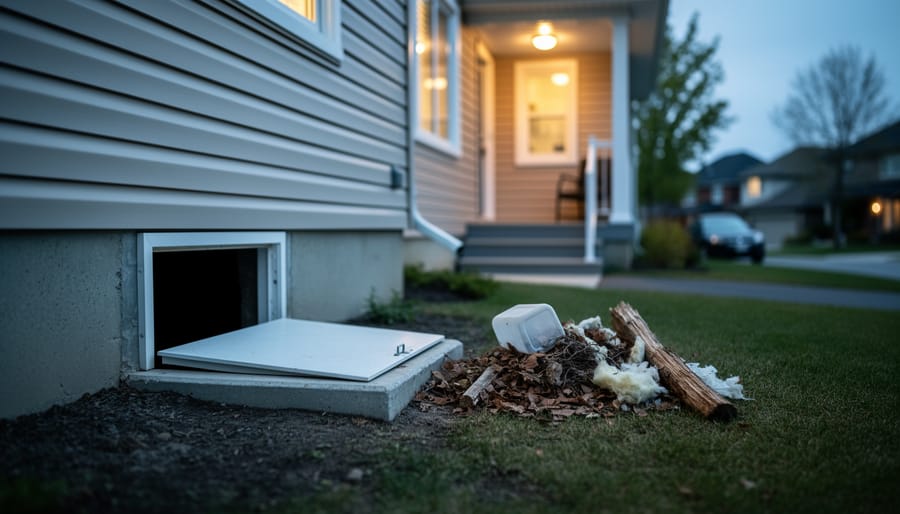
Disclose pest problems upfront to potential buyers or face serious legal consequences. Canadian real estate law requires sellers to reveal material defects, and attempting to hide infestations can result in lawsuits, contract cancellations, and financial penalties long after closing. When you sell a house with rat problems or other pest issues, transparency isn’t just ethical practice. It’s legal protection — and the same duty applies whether the building is a family home or a commercial unit, which is why commercial property cash buyers expect a full pest history before they make an offer.
Your situation isn’t hopeless. Homeowners successfully sell properties with pest histories every day by choosing the right strategy for their circumstances. Some invest in professional remediation before listing, which maximizes sale price but requires upfront capital and time. Others sell as-is to investors or cash buyers who specialize in problem properties, accepting a lower price in exchange for speed and certainty. A third option involves negotiating repairs or price reductions after disclosure, letting buyers decide how to handle the issue.
The strategy you choose depends on your timeline, financial position, and the severity of the infestation. A minor ant problem differs dramatically from extensive termite damage or active rodent colonies. Understanding your legal obligations under provincial disclosure laws protects you from future liability while maintaining your professional integrity.
This guide provides a clear framework for evaluating your options, meeting legal requirements across Canadian provinces, and selecting the approach that aligns with both your business needs and ethical standards. You’ll learn what to disclose, when to disclose it, and how to position your property honestly while still achieving a successful sale.
Understanding Your Legal Obligations When Selling
In Canada, selling a house with a rat infestation isn’t just about ethics, it’s about the law. Every province requires sellers to disclose material defects that could affect a buyer’s decision or the property’s value, and an active or recent pest problem absolutely qualifies. This means you can’t simply clean up the evidence and hope nobody notices. If you know rats have been living in your walls, chewing through insulation, or leaving signs of structural damage you’re legally obligated to tell potential buyers.
The specifics vary by province. In Ontario, sellers complete a Property Information Statement detailing known issues. British Columbia uses a Property Disclosure Statement with similar requirements. Alberta and other provinces have their own forms, but the principle remains consistent: material facts must be disclosed. What counts as material? Any condition that would influence a reasonable buyer’s decision or affect the property’s market value. Rats eating through electrical wiring, contaminating insulation, or creating entry points for water damage all meet that threshold.
Courts have consistently ruled against sellers who claim they “didn’t think it was important” or “thought the problem was solved.” If you hired an exterminator last year, document it. If your neighbour mentioned seeing rats, mention it. The standard isn’t whether you personally think it matters, it’s whether a reasonable buyer would want to know.
Beyond legal compliance, disclosure builds trust. Buyers appreciate honesty, even when the news isn’t good. When you’re transparent about challenges, serious buyers see someone they can negotiate with fairly rather than someone they’ll sue later. You position yourself as a credible seller tackling a problem head-on, which attracts buyers who value integrity and are prepared to work through issues rather than walk away at the first hint of trouble.
Assess the Severity: What You’re Really Dealing With
Before you can chart a path forward, you need to understand exactly what you’re facing. The difference between “we saw a rat once” and “they’ve been here for months” is the difference between a minor speed bump and a major negotiation obstacle.
Start by looking for evidence beyond the rats themselves. Check your attic, basement, and crawl spaces for droppings, gnaw marks on wiring or wood, and grease trails along walls. Fresh droppings are dark and moist; old ones are grey and crumble when touched. The volume matters, a handful suggests recent activity, while piles indicate an established colony.
Pay attention to structural signs. Have rats chewed through insulation? Are there holes in drywall or damaged electrical wiring? Can you smell ammonia from urine saturation in walls or floors? These details determine whether you’re dealing with a $500 cleanup or a $15,000 remediation project.
Here’s the reality: you cannot accurately assess this yourself. Your nose goes blind to smells you live with daily. You’ll miss entry points a professional would spot immediately. More importantly, buyers will insist on professional documentation anyway, so get ahead of it.
Hire a licensed pest control company for a thorough inspection before you list. They’ll identify active infestations, locate entry points, assess damage to insulation and wiring, and provide a written report with remediation costs. This report becomes your baseline for every conversation that follows.
Expect to pay $200-400 for a comprehensive inspection in most Canadian markets. That investment saves you from surprises during buyer inspections and gives you credible data to price your property appropriately. Guessing at severity costs you leverage. Knowledge gives you control of the narrative.
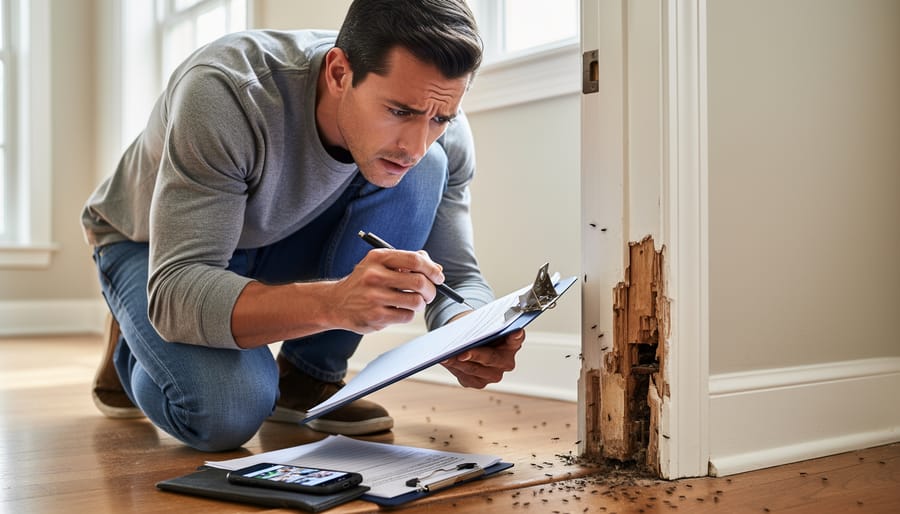
Your Three Selling Pathways: Choose Your Strategy
Strategy 1: Remediate Before Listing
Investing in full remediation before listing makes sense when your timeline allows and the numbers support it. This strategy positions your property for conventional buyers, families, first-time homeowners, and anyone using traditional financing, who simply won’t consider a house with active pest problems.
Start with professional pest control to eliminate the infestation completely, followed by thorough cleaning and sanitization of affected areas. Then address any structural damage: replace damaged insulation, repair gnawed wiring, and fix entry points in your foundation or roofline. Document everything with invoices and warranties.
The ROI depends on your market and the severity of damage. In competitive markets, remediation often returns 80-100% of your investment through higher sale prices and faster closings. You’ll attract more buyers, face fewer inspection contingencies, and maintain stronger negotiating leverage.
This approach requires upfront capital and typically adds 4-8 weeks to your selling timeline, but it preserves your home’s full market value. If you have equity to work with and aren’t under time pressure, remediation transforms a difficult sale into a standard transaction, removing the stigma entirely and letting your property compete on its actual merits.
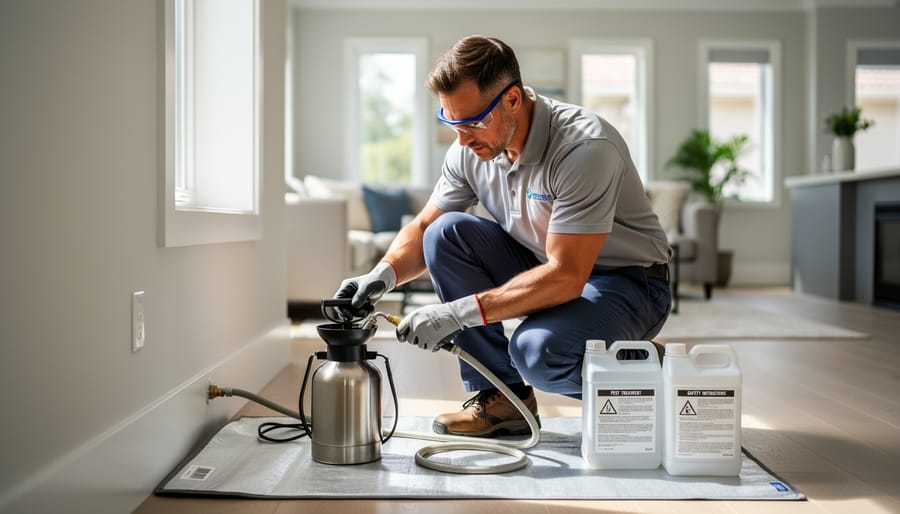
Strategy 2: Price Adjustment with Transparency
Some buyers actively seek properties with fixable problems. They have renovation experience, access to contractors, or simply want to maximize value through sweat equity. Your job is positioning the property honestly while attracting these problem-solvers.
Start with thorough market research on comparable homes in similar condition. Get recent sales data for properties sold as-is or with disclosed issues. A professional appraisal factoring in the rat damage provides your baseline.
Price reductions typically range from 10-30% depending on severity. Minor infestations with no structural damage might warrant a 10-15% reduction. Extensive damage requiring wall replacement, insulation work, and extensive cleanup justifies steeper cuts. Factor in professional pest removal costs, cleanup expenses, and repair estimates, then add a buyer incentive margin.
Market the property with complete transparency. Your listing should acknowledge the situation directly while highlighting the opportunity. Phrases like “priced for immediate remediation” or “seller disclosure: pest issue addressed through competitive pricing” signal honesty without dwelling on negatives.
Include documentation with every showing: pest inspection reports, remediation quotes, and repair estimates. This positions you as a straightforward seller rather than someone hiding problems. Serious buyers appreciate having numbers upfront, it eliminates guesswork and builds negotiating trust from the first conversation.
Strategy 3: Investor and Cash Buyer Route
Selling to investors or cash buyers who specialize in distressed properties offers the fastest exit from your rat problem. These buyers purchase homes in any condition, handle all remediation themselves, and typically close in days rather than months. You’ll receive a lower offer, often 60-80% of after-repair value, but you eliminate repair costs, holding expenses, and the uncertainty of traditional sales. This route works particularly well if you need to relocate quickly, can’t afford remediation, or simply want to avoid the stress of showings and negotiations. The trade-off is straightforward: you sacrifice potential profit for guaranteed speed and convenience, transferring the entire burden to buyers who treat your problem as their business opportunity.
Building Trust Through Ethical Disclosure
Transparency about your rat problem transforms a potential dealbreaker into a demonstration of character. When you disclose pest issues upfront, you’re not just fulfilling legal requirements, you’re filtering for buyers who appreciate honesty and are genuinely equipped to handle the challenge.
Start the conversation early. Mention the rat issue in your listing description using neutral, factual language: “Property requires pest remediation” or “Seller will provide full disclosure of past rodent activity and remediation efforts.” This approach saves everyone time by attracting buyers who can work with the situation while deterring those who can’t.
Prepare a disclosure package that tells the complete story. Include professional inspection reports, documentation of any remediation work completed, photographs showing affected areas, and estimates for remaining repairs. This level of detail demonstrates you’ve taken the problem seriously and have nothing to hide. Buyers respect sellers who’ve done their homework.
Frame your disclosure using consultative communication principles. Rather than apologizing or minimizing, present the facts and explain what you know about solutions. “We discovered rats in the attic last fall, hired ABC Pest Control for removal, and have documentation showing no activity for four months” sounds far more credible than vague statements about “minor issues.”
When buyers ask questions, answer completely. If you don’t know something, say so and offer to find out. This builds trust faster than pretending to have all the answers. Consider key sales pitch factors like timing and context, disclose in person when possible, allowing space for dialogue rather than dropping information through email alone.
Honest disclosure attracts serious buyers who view challenges as opportunities. They’ll negotiate firmly but fairly, knowing they’re dealing with someone who won’t blindside them during inspections. That trust foundation makes closing smoother and reduces the risk of deals falling apart at the eleventh hour.
Preparing Your Property for Maximum Appeal
Even with past pest issues, you can present your property in a way that builds buyer confidence and shifts focus toward its genuine strengths. The goal isn’t to hide the problem, you’ve already committed to transparency, but to demonstrate that you’ve taken it seriously and that the house offers real value beyond its challenges.
Start by assembling comprehensive documentation. Gather every invoice, inspection report, and warranty related to pest remediation. Professional pest control receipts, structural repair estimates, and follow-up inspection results all prove you’ve addressed the issue responsibly. This paperwork becomes your credibility toolkit during showings and negotiations.
Next, follow this preparation checklist to maximize your property’s appeal:
- Deep clean every surface, paying special attention to areas where evidence of infestation existed. Fresh paint in affected rooms signals renewal.
- Remove all clutter and personal items to help buyers envision the space as their own, not as a problem property.
- Repair minor cosmetic issues unrelated to the pest problem, fresh caulking, working light fixtures, and clean windows demonstrate overall care.
- Enhance curb appeal with simple landscaping, a clean entrance, and exterior touch-ups that create a positive first impression.
- Ensure all remediation work is complete and certified before any showings begin.
Strategic staging matters more than you might think. If certain rooms were heavily affected, stage them to showcase their best use and functionality. A beautifully arranged bedroom or a well-organized storage area proves the space is livable and desirable once remediation is complete.
Create a simple fact sheet highlighting your property’s genuine advantages: recent upgrades, location benefits, structural soundness in unaffected areas, energy efficiency improvements. Balance the narrative by acknowledging the challenge while emphasizing everything you’ve done right. Buyers respect sellers who handle problems professionally and showcase value honestly.
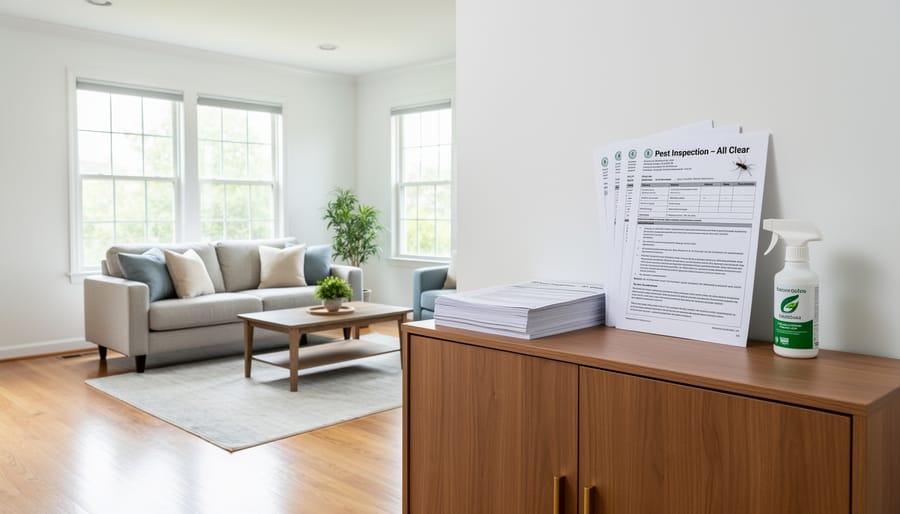
Partnering With the Right Real Estate Professional
Finding an agent who treats your rat problem as a strategic challenge rather than a liability will transform your selling experience. Not every real estate professional has the expertise or temperament to handle properties with significant issues, and partnering with the wrong person can lead to lowball offers, failed negotiations, or worse, buyers walking away mid-transaction.
Look for agents with proven experience selling challenging properties. During initial conversations, ask directly: “Have you sold homes with pest damage before, and what was your approach?” Request references from past clients who faced similar situations. The right agent won’t sugarcoat your challenges but will present a clear action plan that demonstrates confidence in selling your property.
Your agent should possess strong selling skills that extend beyond typical transactions. They need to reframe your property’s story, positioning it honestly while highlighting its genuine value. Expect them to provide comps of similar properties that sold successfully, recommend trusted pest control and remediation professionals, and coach you through disclosure conversations that build buyer confidence rather than trigger panic.
The best agents for these situations excel at managing difficult conversations. They address rat issues proactively during showings, present documentation systematically, and anticipate buyer objections before they arise. They understand that transparency creates negotiating power because it eliminates the surprise factor that kills deals during inspections.
Pay attention to how potential agents react when you first describe the situation. If they hesitate or seem uncomfortable, keep looking. The right professional sees your challenge as an opportunity to demonstrate their problem-solving abilities and earn their commission through genuine expertise.
Handling Negotiations and Inspection Concerns
Once inspection reports confirm the rat infestation, you’ll face buyer requests ranging from reasonable to aggressive. The most common demands include price reductions reflecting remediation costs, repair credits at closing, or seller-funded pest control warranties extending beyond the sale. Your response should acknowledge the legitimate concerns while protecting your interests. If you’ve already invested in professional remediation and can document it, you’re in a stronger position to resist deep concessions. If the problem remains unaddressed, expect buyers to request estimates from multiple pest control companies and negotiate based on the highest quote plus a buffer for contingencies.
Maintain leverage by presenting solutions rather than simply accepting demands. If a buyer requests a $15,000 price reduction for pest damage, counter with an offer to handle specific repairs yourself at a lower cost, or provide receipts showing you’ve already addressed the core issues. Frame the negotiation around facts rather than emotions. When buyers present inspection reports highlighting rat-related damage, respond within 48 hours with your own contractor assessments or remediation proposals.
Set boundaries on unreasonable requests. Some buyers will attempt to renegotiate the entire deal using the pest issue as leverage for unrelated concessions. Stand firm on items outside the scope of the known infestation. If your disclosure was complete and honest from the start, you’re negotiating from a position of integrity that serious buyers will respect, even as they push for fair compensation.
Selling a house with a rat problem tests your resolve, but it’s far from impossible. You now have a clear framework: assess honestly, choose the strategy that matches your timeline and resources, and communicate transparently throughout the process. This situation demands the same skills that drive success in any sales environment, problem-solving, ethical decision-making, and building trust even when circumstances aren’t ideal.
The homeowners who navigate this challenge successfully don’t hide from reality. They face it head-on, consult professionals, and position their property truthfully to the right buyers. Whether you remediate first, adjust your price, or sell to an investor, there’s a viable path forward.
This experience, uncomfortable as it may be, builds the kind of resilience that carries over into every business challenge you’ll face. You’re not just offloading a problem property. You’re demonstrating that integrity and strategic thinking can turn difficult situations into completed deals. Take what you’ve learned here, apply it with confidence, and close this chapter knowing you handled a tough situation the right way.